
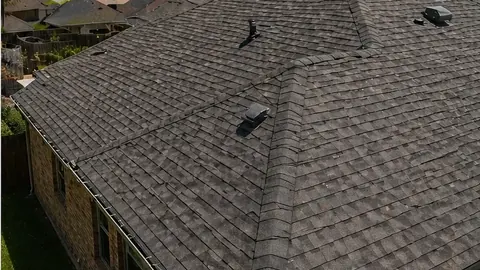
Storm damage claims in McAllen often combine several types of loss at once. A spring supercell can drop hail, push straight-line winds through a neighborhood, and drive heavy rain through any opening it creates. The April 21, 2023 storm brought up to an hour of continuous hail to southern Hidalgo County with a 62 mph gust measured at McAllen’s airport, and the May 8, 2025 storm combined large hail with a damaging microburst in north McAllen. Separating, documenting, and pricing each part of that damage is the core of a strong storm claim.
Whether you own a home in McAllen, a rental in Edinburg, or a retail building in Mission, this page explains how combined storm claims work. See our storm history and weather events pages for local records.
Types of Storm Damage Covered
| Cause | Typical damage | Coverage notes |
|---|---|---|
| Hail | Roof, windows, siding, AC fins, skylights | Wind/hail deductible; cosmetic exclusions may apply. See hail claims. |
| Wind | Missing shingles, fallen trees, fences, garage doors | Wind/hail deductible; debris removal limits. See wind claims. |
| Rain through storm openings | Wet ceilings, insulation, drywall, flooring, contents | Often covered when wind or hail created the opening. |
| Wind-borne debris | Punctures, broken glass, siding impacts | Usually treated as part of the windstorm loss. |
| Rising water / street flooding | Flooring, walls, contents at ground level | Generally excluded; requires flood insurance. |
Commercial properties add another layer. Flat and low-slope roofs on retail centers, warehouses, and offices can hold water after a storm, and wet insulation under the membrane may not be visible from inside. Tenants, lease obligations, and business income losses can all become part of the same storm claim.
Typical Documentation for a Storm Claim
- Date-stamped photos and video of the exterior, roof, interior, and debris before cleanup.
- Photos showing how water entered: the broken window, the missing shingles, the punctured panel.
- NOAA Storm Events and NWS reports for the date (see using NOAA records).
- Moisture readings and drying logs from a mitigation company.
- Receipts for tarping, board-up, water extraction, and tree removal.
- An itemized repair estimate and a contents inventory.
Use our claim documentation checklist to stay organized.
Common Claim Issues and Insurer Arguments
- Splitting causes. The insurer accepts the roof damage but denies interior water as “long-term leakage” or “no storm-created opening.”
- Flood vs. wind-driven rain. Water at floor level is attributed to excluded surface water.
- Multiple storms. With several storm days in a single season, the carrier may argue part of the damage came from an earlier date or a prior claim.
- Incomplete interior scope. Drying, insulation, paint, and flooring continuity are underestimated.
- Mold. Delayed drying leads to mold, which many policies limit or exclude.
Our article on insurance company disputes over storm damage explains these in more detail.
Insurance Settlement Considerations
- Deductibles. A wind/hail deductible may apply to the whole storm loss, while some policies apply a different deductible to other perils. Check your declarations page.
- ACV vs. RCV. Depreciation is often withheld until repairs are completed. Track repair deadlines in your policy.
- Ordinance or law. Repairs must meet McAllen’s 2024 ICC codes, effective January 1, 2026. Upgrade costs depend on ordinance or law coverage. See local building codes.
- Limits and sublimits. Mold, debris removal, trees, and other structures often carry separate caps.
- Loss of use / business income. If the property is unlivable or a business closes, additional living expense or business interruption coverage may apply.
What to Expect From the Insurer After a Storm
Texas law sets general timelines for how insurers handle claims under the Prompt Payment of Claims Act (Texas Insurance Code Chapter 542). In general:
- The insurer has 15 days after notice of the claim to acknowledge it, begin investigating, and request needed information.
- After receiving all requested items, it generally has 15 business days to accept or reject the claim, or it may notify you that it needs more time, up to 45 additional days.
- Payment is generally due within 5 business days after the insurer notifies you it will pay.
- These deadlines are extended by 15 days after a weather-related catastrophe or major natural disaster declared by the insurance commissioner.
Surplus lines insurers may follow different timeframes. You can read the statute on the Texas Legislature website. After a widespread hail or wind event, many claims are filed at once, and delays are common. Keeping a written log of every call, inspection, and request helps you track where your claim stands.
How a Public Adjuster May Help
A public adjuster can document each cause of loss, connect interior water to storm-created openings, gather weather evidence, prepare a combined estimate, and communicate with the insurer on your behalf. For businesses, see commercial property claims. If your claim has stalled, see delayed insurance claims. We do not guarantee outcomes; coverage depends on your policy and the facts. Fees are disclosed in a written contract before any work begins; Texas law caps public adjuster compensation at 10% of the insurance settlement.
Policyholder Responsibilities
- Give prompt notice of the loss.
- Mitigate: tarp openings, extract water, and start drying quickly to limit mold.
- Keep damaged items until the insurer has inspected them or released them.
- Complete a proof of loss if requested, within the policy deadline.
- Cooperate with inspections and reasonable information requests.
Applicable Policy Limitations and Exclusions
Storm claims are commonly limited by flood and surface water exclusions, interior rain provisions that require a storm-created opening, wear and tear and deterioration exclusions, mold sublimits, cosmetic damage endorsements, and continuous or repeated seepage exclusions. Policies may also impose a contractual deadline to file suit, and weather-related lawsuits in Texas require written pre-suit notice. For legal questions, consult a Texas attorney.
Frequently Asked Questions
If wind and hail both damaged my property, is it one claim or two?
Damage from a single storm event is usually handled as one claim with one wind/hail deductible, though policies vary. If separate storms caused separate damage, separate claims and deductibles may apply.
Is rain damage inside my home covered after a storm?
Many policies cover interior rain damage when wind or hail first creates an opening in the roof or walls. Rain that enters through an existing gap or wear-related leak is often excluded.
Is street flooding that entered my home covered?
Standard homeowners and commercial policies generally exclude flood, including surface water. Flood coverage comes from the NFIP or a private flood policy.
How do I document a storm if I was not home?
NOAA and National Weather Service records can help establish what happened at your location. Try our storm lookup tool and photograph everything before cleanup.
Should I wait for the adjuster before making repairs?
Make temporary repairs to prevent more damage, and keep receipts. Hold off on permanent repairs until the damage is documented and the insurer has had a reasonable chance to inspect.
Can a public adjuster help with a storm claim that is already open?
Yes. We can step in at most stages of a claim, including after an initial payment, to review the estimate and present additional documentation. We cannot guarantee results.