Key takeaways
- When an insurance company disputes storm damage, ask for the specific reason, the policy language, and any reports in writing.
- Common dispute themes include wear and tear, prior damage, manufacturing defects, "no hail of that size," engineer findings, and cosmetic-damage exclusions on metal roofs.
- Date-of-loss evidence, such as NOAA storm reports, dated photos, and repair records, helps tie damage to a specific storm.
- Re-inspection, an independent inspection, and the appraisal clause (for amount disputes) are common next steps.
- Coverage disputes, bad-faith concerns, and lawsuit deadlines are legal questions; talk to a Texas attorney.
You report hail or wind damage, an adjuster comes out, and a few weeks later a letter arrives saying the damage is "not storm related" or "pre-existing." It is a frustrating moment, especially after a storm that clearly hit your neighborhood. When an insurance company disputes storm damage, the good news is that a first decision is not always the last word. The insurer's position is usually based on a specific set of observations, and those observations can be reviewed, tested, and answered with better evidence.
This guide walks through the disputes we see most often on claims in McAllen, Hidalgo County, and the Rio Grande Valley (RGV), what each one usually means, and the practical steps you can take next. It is general information, not legal advice. Your policy wording and the facts of your loss control the outcome.
Why insurers dispute storm damage claims
Most disputes come down to two questions: what caused the damage and when did it happen. Property policies generally cover sudden, accidental physical loss from perils such as wind and hail, while excluding gradual deterioration, poor maintenance, and manufacturing defects. If the insurer believes the damage came from age, workmanship, or an earlier event, it may deny the claim or pay only a fraction of the repair cost.
In the RGV, these questions come up often. Hidalgo County sees repeated spring hail and severe thunderstorm wind, which means many roofs have been through more than one storm. Composition shingle roofs bake in intense summer sun. Metal roofs are common on outbuildings, carports, and commercial buildings. All of that gives an adjuster plenty of room to argue that something other than the most recent storm is to blame.
Common storm damage disputes and how to respond
The table below summarizes the most common reasons insurers give and the kinds of evidence that may help answer them.
| Insurer's position | What it usually means | Evidence that may help |
|---|---|---|
| "Wear and tear" or "deterioration" | Damage is attributed to age, weathering, or lack of maintenance. | Roof age and install records, photos showing fresh fractures or bruising, slope-by-slope comparison, contractor or engineer opinion. |
| "Prior damage" or "pre-existing" | Damage is linked to an earlier storm, possibly before the policy or outside the claim period. | Prior inspection reports, real estate inspection, earlier photos (Google Street View, listing photos), dated repair invoices, NOAA reports for the claimed date. |
| "Manufacturing defect" | Blistering, cracking, or failures are blamed on the product. | Product identification, manufacturer documentation, comparison of damage pattern to storm direction. |
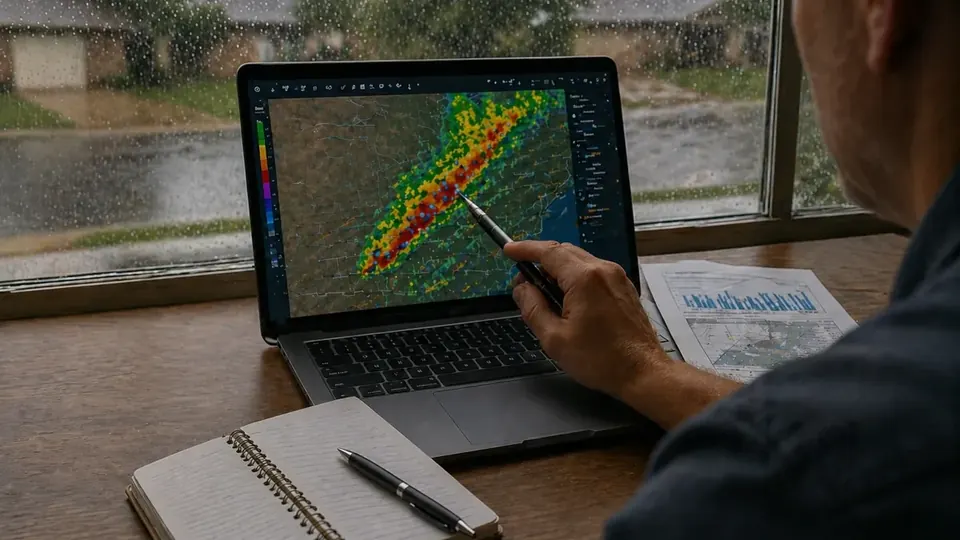
| "No hail of that size was reported" | Insurer's weather data shows no hail or smaller hail near your address. | NCEI Storm Events entries, NWS Local Storm Reports, neighbor reports, dated photos of hailstones, collateral damage (vents, gutters, cars, screens). |
| Engineer report says "not storm related" | A hired engineer concluded the damage has another cause. | A full copy of the report, a point-by-point response, an independent inspection. |
| Cosmetic damage exclusion (metal roofs) | Dents are treated as appearance-only, not functional damage. | Policy endorsement wording, evidence of punctures, seam separation, fastener damage, coating cracks, or leaks. |
Wear and tear
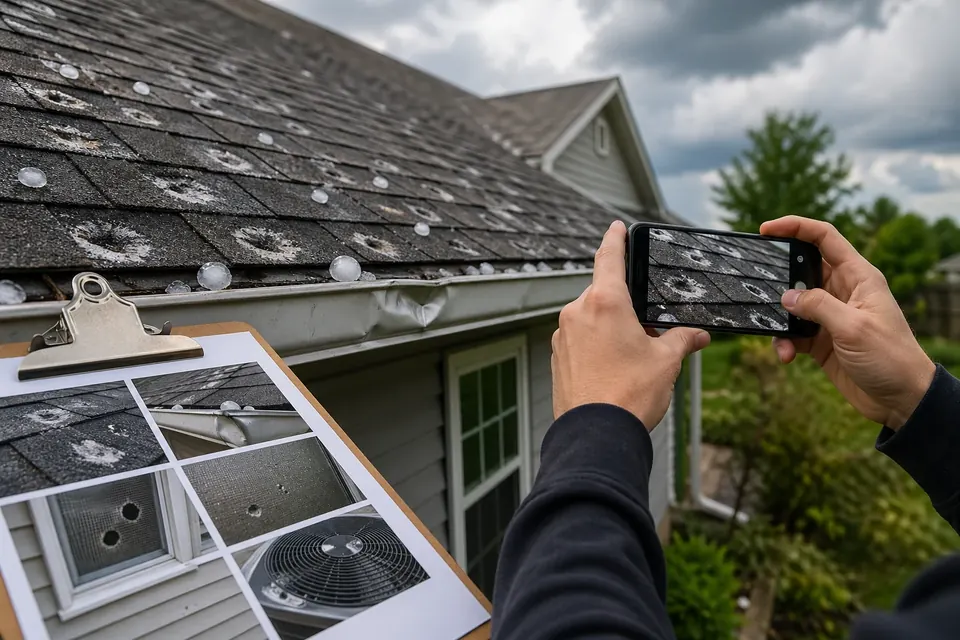
Every roof wears. The question is whether the storm caused new, sudden damage on top of normal aging. Hail strikes on asphalt shingles often show as random bruises or fractures with exposed mat, sometimes with granules scattered in gutters and at downspouts. Wind damage tends to be directional: creased tabs, torn sealant strips, and missing shingles concentrated on the exposed side. Uniform granule loss across every slope, on the other hand, points toward age. If an adjuster calls everything "wear," ask which specific areas they examined and request their photos.
Prior damage
This is a common position in hail-prone areas. If your roof has been through several storms, the insurer may say the damage you are claiming happened years ago. Old photos are valuable here. Real estate listing photos, a pre-purchase inspection report, a previous roof replacement invoice, or even satellite and street-level imagery can show what the roof looked like before the storm in question.
Manufacturing defect
Some shingle failures, such as blistering or thermal cracking, can look similar to hail damage to an untrained eye. An insurer may say the product failed on its own. Identifying the exact shingle product and comparing the damage pattern with the storm's direction can help separate the two. If the damage is concentrated on the windward slopes and includes soft metal dents nearby, that pattern supports a storm cause.
"No hail of that size"
Insurers commonly use weather data services to check whether hail was reported near your address. Those tools are helpful but imperfect. Hail swaths can be narrow, and official reports depend on someone measuring and reporting stones. Our guide to using NOAA weather records to document property damage explains how to find reports near your property and what they can and cannot show.
Engineer reports
On larger or contested claims, the insurer may hire an engineering firm. These reports can carry weight, but they are opinions based on what the engineer inspected and how. Read the report closely: how long was the inspection, which slopes were examined, were test squares used, and does the report address the specific storm date? Discrepancies between the report and the actual condition of the roof are worth documenting.
Cosmetic damage exclusions on metal roofs
Many Texas policies now include an endorsement that excludes "cosmetic" hail damage to metal roofing, meaning dents that change appearance without affecting the roof's ability to shed water. Whether this applies depends on the exact endorsement wording on your policy. Damage that goes beyond appearance, such as punctures, split seams, damaged fasteners, cracked coatings, or leaks, may be treated differently. Pull your full policy, not just the declarations page, and look for the endorsement by name.
Step 1: Get the denial or dispute in writing
Phone conversations are easy to misremember. If you are told the damage is not covered, ask for a written explanation that includes:
- The specific reason for the denial or reduced payment.
- The policy provisions the insurer relied on, quoted or cited by section.
- Copies of the adjuster's photos, estimate, and notes.
- Any engineer, roofing, or weather report used in the decision.
- A certified copy of your policy, including all endorsements.
Texas has prompt-payment rules for claims under Texas Insurance Code Chapter 542, including timeframes for acknowledging a claim, requesting information, and accepting or rejecting it. Generally, an insurer that rejects a claim must tell you the reasons in writing. Keep every letter and email, and send your own requests in writing so there is a clear record.
Step 2: Build date-of-loss evidence
Because so many disputes turn on when damage happened, tie your damage to a specific storm date as tightly as you can. Useful evidence includes:
- Weather records. Search your city or ZIP code in our storm event lookup and review the Hidalgo County storm history. The NOAA NCEI Storm Events Database and NWS Brownsville/Rio Grande Valley are the primary public sources.
- Dated photos. Pictures of hailstones, debris, and fresh damage taken the day of or the day after the storm, with metadata intact.
- Collateral damage. Dents on gutters, downspouts, AC fins, vents, mailboxes, and vehicles, plus torn window screens, help confirm hail fell at the property.
- Neighborhood context. If neighbors had claims paid or roofs replaced after the same storm, note addresses and dates (without relying on anyone's private claim details).
- Prior condition. Anything that shows the roof was in good shape before the storm.
Our claim documentation checklist lays out what to collect in more detail.
Step 3: Get an independent inspection
An independent inspection gives you a second set of eyes that does not work for the insurer. Depending on the dispute, that could be an experienced roofer, a licensed Texas public adjuster, or an engineer. Ask for a written report with photos, measurements, test-square counts where relevant, and a clear explanation of what the inspector believes caused the damage and why.
Be cautious with anyone who promises the insurer will "have to" replace your roof. Honest inspectors describe what they find, including areas that look like age or prior damage. A credible, balanced report is usually more persuasive than an overstated one.
Step 4: Request a re-inspection
If you have new evidence, or you believe the first inspection missed areas, ask the insurer in writing to re-inspect. Explain why: perhaps the original adjuster did not walk the roof, examined only one slope, or did not look at interior water stains. Ask to be present, and invite your contractor or public adjuster to attend. Walking the roof together and pointing to specific damage often resolves misunderstandings faster than letters do.
If the insurer reopens the claim and the scope grows, the result is often a supplemental payment. Our article on hail damage claim supplements explains how that process works.
Step 5: Consider appraisal for amount disputes
Most Texas property policies contain an appraisal clause. Either side can usually demand appraisal when you agree a loss is covered but disagree about the amount. Each side picks an appraiser, the two appraisers pick an umpire, and an award agreed to by any two of the three is generally binding on the amount of loss. Policy language controls the details.
Appraisal is not designed to decide coverage questions. If the insurer says the damage was never caused by a storm at all, appraisal may not be the right tool, or it may need to be paired with other steps. Learn more on our insurance appraisal page.
Step 6: File a complaint with TDI
The Texas Department of Insurance accepts complaints from policyholders about how claims are handled. Include your claim number, a short timeline, copies of key letters, and what you are asking for. TDI does not act as your lawyer and does not decide the value of your claim, but a complaint creates an official record and the insurer is generally required to respond.
Step 7: Know when to talk to a Texas attorney
Public adjusters are not attorneys, and some disputes need legal advice. Consider consulting a Texas attorney if:
- The insurer has denied coverage entirely and appraisal is not an option.
- You received a reservation of rights letter.
- You believe the claim has been handled in bad faith.
- A deadline to file suit may be approaching. Many Texas policies set a contractual limit, often two years and one day from when the claim accrued, so check your policy.
- You are considering a lawsuit over a weather-related claim, which involves specific written pre-suit notice requirements under Texas law.
How a public adjuster can help with a disputed claim
A licensed Texas public adjuster represents the policyholder, not the insurer. On a disputed storm claim, that work can include reviewing the denial and policy language, re-inspecting the property, documenting damage with detailed photos and measurements, preparing a line-item estimate (often in Xactimate), gathering weather data, and presenting the claim and supporting evidence to the insurer. If the dispute is about amount, a public adjuster can also help you evaluate whether appraisal makes sense.
Joseph Dittman, a licensed Texas public adjuster with Rise Public Adjusting LLC (TDI license #3356839), has carrier-side and public adjusting experience and also works as a certified insurance appraiser and umpire. Fees are disclosed in a written contract before any work begins; Texas law caps public adjuster compensation at 10% of the insurance settlement. See our denied insurance claims and storm damage claims pages for more on how we approach these files.
Policies often require prompt notice of a loss, proof of loss within a set time when requested, and lawsuits within a contractual period. Missing a deadline can hurt an otherwise valid claim. Read your policy and, for legal deadlines, ask a Texas attorney.
A practical timeline after a dispute letter
- Day 1–3: Read the letter carefully. Request the reasons, reports, photos, and certified policy in writing.
- Week 1: Pull weather records for your storm date and gather old photos, invoices, and inspection reports.
- Week 1–2: Schedule an independent inspection and get a written report.
- Week 2–4: Send a written response with your evidence and request a re-inspection.
- After the insurer responds: Evaluate appraisal (amount disputes), a TDI complaint, or legal advice (coverage disputes and deadlines).
Throughout the process, keep making reasonable temporary repairs to prevent further damage, such as tarping a roof or drying wet materials, and save the receipts. Policies generally require you to protect the property from further loss.
A disputed storm claim is not unusual in the RGV, and it is not always final. Clear evidence, a calm written record, and the right next step for your type of dispute can make a real difference. If you want a second opinion on a denied or reduced claim, request a Free Claim Review.
Frequently Asked Questions
Can I ask the insurance company for a copy of the engineer's report?
Yes, you can ask for it, and you should ask in writing. Many insurers will provide reports, photos, and estimates they relied on when you request them. If a report was used to deny or reduce your claim, having the full document lets you and your own experts respond to its specific findings instead of guessing.
Does appraisal resolve a dispute over whether damage was caused by the storm?
Appraisal is designed to resolve disagreements over the amount of loss, not coverage. In practice, causation questions sometimes overlap with the amount, and how that is handled depends on your policy language and Texas case law. If the core dispute is whether the policy covers the damage at all, talk with a Texas attorney before choosing a path.
What is the difference between wear and tear and storm damage on a roof?
Wear and tear is gradual: granule loss spread evenly across slopes, curling, cracking from age, and sun-baked sealant. Storm damage tends to be directional and sudden, such as fresh hail bruises with exposed mat, creased or torn tabs on the windward side, and lifted or missing shingles. Many roofs show both, which is why a careful slope-by-slope inspection matters.
Should I file a complaint with the Texas Department of Insurance?
You can. TDI accepts consumer complaints about insurers, and the insurer is generally required to respond to TDI. A complaint does not decide your claim or order payment, but it creates a record and can prompt a closer look at how the claim was handled.
When should I talk to a Texas attorney about a disputed storm claim?
Consider speaking with a Texas attorney if the insurer has denied coverage outright, you suspect bad faith, a contractual deadline to file suit may be approaching, or you have received a reservation of rights letter. Weather-related claim lawsuits in Texas involve specific pre-suit notice rules, so legal advice should come from a licensed attorney.
Can a public adjuster help if my claim is already disputed?
Often, yes. A licensed Texas public adjuster can review the insurer's findings, re-document the damage, prepare a detailed estimate, and present the claim on your behalf. Results depend on the policy and the facts, and no adjuster can promise a particular outcome.
Sources and further reading
This article is general information about property insurance claims in Texas, not legal advice, and not a promise of any coverage or outcome. Your policy language and the facts of your loss control your claim.