

Hailstorms don’t ask for permission. They hit hard, fast, and often leave behind damage that isn’t immediately obvious. And when the storm passes, the real challenge begins filing a claim and making sure you’re paid fairly. That’s exactly where the conversation around Public Adjuster vs. Insurance Adjuster for Hail Claims in Texas becomes critical. One represents the insurance company. The other represents you. That single distinction can dramatically impact your final payout.
If you own a home or commercial property in Texas especially in storm-exposed areas like McAllen this decision isn’t optional thinking. It’s strategy. And the outcome can mean the difference between a partial repair and a full recovery. Let’s break it down in a way that actually helps you make the right call.
Understanding the Two Roles
What Is an Insurance Adjuster?
An insurance adjuster is assigned by your insurance company after you file a claim. Their responsibility is to assess the damage, interpret your policy, and determine how much the insurer should pay. They follow internal guidelines. They use estimating software. They document what they see during a relatively short inspection window.
And yes they are trained professionals. But here’s the key point: they work for the insurance company. Their job is to settle claims efficiently while protecting the company’s financial exposure. That doesn’t mean they’re unfair. It means their priorities are different from yours.
What Is a Public Adjuster?
A public adjuster is a licensed professional who works exclusively for you, the policyholder.
They handle the entire claims process from your side:
- Inspecting the damage in detail
- Reviewing your insurance policy
- Preparing a comprehensive estimate
- Submitting documentation
- Negotiating with the insurance company
They’re not tied to the insurer. Their goal is simple get you the full amount you’re entitled to under your policy. And because they typically work on a contingency fee, they’re incentivized to maximize your claim.
Key Differences at a Glance
| Category | Insurance Adjuster | Public Adjuster |
| Who they represent | Insurance company | Policyholder |
| Payment | Salary from insurer | Percentage of claim |
| Inspection time | Often limited | Thorough and extended |
| Documentation | Basic | Detailed and strategic |
| Negotiation | Minimal | Active and ongoing |
| Claim outcome | Often conservative | Often optimized |
Alignment drives outcomes. That’s the real takeaway.
How Each Adjuster Handles a Hail Claim
Insurance Adjuster Process
The insurance adjuster’s process is streamlined for speed:
- Schedule inspection
- Perform visual assessment
- Create estimate using software
- Issue settlement
It’s efficient. But efficiency often comes at the cost of depth.
Public Adjuster Process
Public adjusters take a more strategic approach:
- Conduct multi-point inspection
- Document every visible and potential issue
- Review policy coverage in detail
- Create an independent estimate
- Identify missed items
- Submit supplements
- Negotiate actively
They don’t just process your claim. They build leverage into it.
Inspection Depth and Damage Identification
What Insurance Adjusters Typically Look For
Insurance adjusters often focus on:
- Visible hail strikes
- Obvious structural damage
- Surface-level roofing issues
Because of high claim volume, inspections are often quick. That’s where gaps begin.
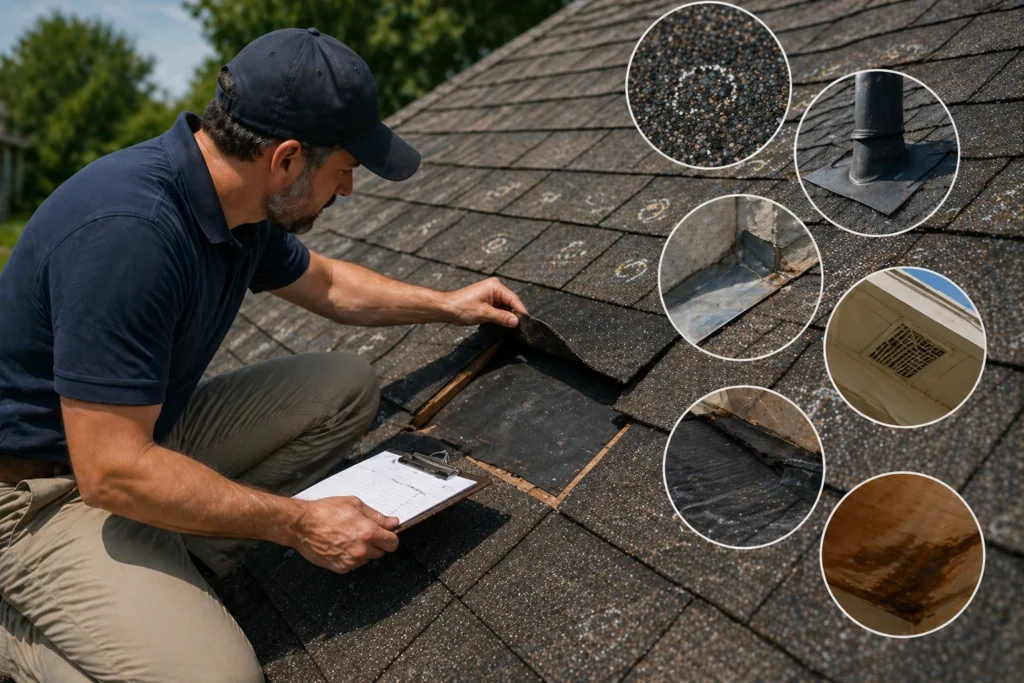
What Public Adjusters Identify
Public adjusters go deeper. Much deeper.
They analyze:
- Granule displacement on shingles
- Soft impact bruising
- Flashing and seal failures
- Ventilation damage
- Underlayment exposure
- Long-term water intrusion risks
- Code compliance issues
Interestingly, the analytical approach they use can feel almost like a structured system of classification similar to how complex systems are organized in fields like Ontological classification breaking down every component to ensure nothing is missed. Because when everything is identified, everything can be claimed.
Claim Documentation: Where Most Claims Win or Lose
Documentation is not paperwork. It’s persuasion.
Strong claims don’t just show damage they prove it.
How Insurance Adjusters Handle Documentation
Typically includes:
- Basic photos
- Standard forms
- Limited written explanation
It works for processing. Not for maximizing.
How Public Adjusters Strengthen Documentation
Public adjusters build a complete claim file:
- Detailed photo sets with annotations
- Written narratives tied to policy language
- Organized evidence folders
- Supporting contractor estimates
This transforms your claim from a submission into an argument.
The Supplement Process Explained
Here’s where most of the missed money lives. A supplement is an additional claim request for damages not included in the original estimate. And it’s more common than most property owners realize. This stage is often referred to as Hail Damage Claim Supplements: What Carriers Miss in Their Scope, because it focuses on identifying and correcting incomplete initial estimates.
Commonly Missed Items in Hail Claims
- Flashing replacement
- Ridge vents
- Ice and water barriers
- Drip edges
- Disposal fees
- Code upgrades
Individually small. Collectively massive.
Insurance Adjuster Approach to Supplements
Reactive. They review supplements if submitted but rarely initiate them.
Public Adjuster Approach to Supplements
Proactive and strategic.
They:
- Identify missing line items
- Document additional damage
- Submit detailed supplements
- Justify each request with evidence
That’s where claims evolve from basic to fully compensated.
Negotiation Power and Claim Outcomes
Insurance Adjuster Position
They operate within company guidelines. Negotiation is limited.
Public Adjuster Position
They advocate. They challenge. They negotiate. And they don’t stop at the first offer.
Real-World Impact on Settlement Amounts
| Claim Stage | Without Public Adjuster | With Public Adjuster |
| Initial estimate | $14,000 | $14,000 |
| Supplements added | $2,000 | $10,500 |
| Final payout | $16,000 | $24,500 |
Same damage. Different representation. Very different outcome.
Common Mistakes Property Owners Make
Avoid these if you want a stronger claim:
- Accepting the first offer
- Delaying documentation
- Ignoring minor damage
- Misreading policy terms
- Missing deadlines
- Negotiating without experience
Every mistake weakens your position.
When You Should Consider Hiring a Public Adjuster

You should consider a public adjuster if:
- Your claim is denied
- Your payout seems low
- Damage is extensive
- The process becomes overwhelming
- You want professional representation
In storm-impacted regions like McAllen, where multiple claims are processed quickly, errors and omissions become more likely. That’s when expertise pays off.
Cost vs. Value: Is a Public Adjuster Worth It?
Public adjusters usually charge 5%–10% of your claim.
Let’s look at the math:
| Scenario | Amount |
| Without adjuster | $18,000 |
| With adjuster | $30,000 |
| Fee (10%) | $3,000 |
| Net | $27,000 |
The increase in payout often outweighs the fee.
It’s not about cost. It’s about net gain.
Public Adjuster vs. Insurance Adjuster for Hail Claims in Texas
When comparing Public Adjuster vs. Insurance Adjuster for Hail Claims in Texas, the decision comes down to:
- Who represents you
- How detailed the claim is
- Whether negotiation happens
Insurance adjusters manage claims. Public adjusters maximize them.
Real-World Scenario: Two Claim Outcomes
Scenario 1 – Insurance Adjuster Only
- Quick inspection
- Basic estimate
- Missed key items
- No supplements
Result: Underpaid claim.
Scenario 2 – With Public Adjuster
- Detailed inspection
- Full documentation
- Supplements submitted
- Negotiation completed
Result: Fully covered repairs and higher payout. In areas like McAllen, these differences show up clearly after every major storm.
Advanced Insight: Policy Language Matters More Than You Think

Your insurance policy isn’t simple.
It includes:
- Coverage limits
- Exclusions
- Depreciation rules
- Replacement cost clauses
Public adjusters interpret these details carefully. And sometimes, the difference between partial and full coverage isn’t damage it’s interpretation.
How to Choose the Right Public Adjuster in Texas
Choose wisely. Look for:
- Valid Texas license
- Proven hail claim experience
- Strong estimating knowledge
- Clear fee structure
- Transparent communication
Ask questions. Review results. Take your time.
Final Thoughts
Hail claims are more than inspections. They’re about strategy, documentation, and negotiation. That’s why understanding Public Adjuster vs. Insurance Adjuster for Hail Claims in Texas is so important. If your claim is simple, you may not need additional help. But if it’s complex, underpaid, or denied? Representation changes everything. Make the decision that protects your property and your payout.
FAQs
A public adjuster works for you, while an insurance adjuster represents the insurance company’s interests.
Not always, but they’re valuable if your claim is large, denied, or underpaid.
Most charge between 5% and 10% of your final claim settlement.
Yes, they often uncover missed damage and negotiate higher settlements.
They typically assess visible damage and create a basic estimate based on their findings.
Consider hiring one if your claim is complex, delayed, denied, or undervalued.
Yes, you can bring one in at almost any stage of the claims process.
It can take a few weeks to several months depending on claim complexity and negotiations.
It’s an additional request for payment to cover damage missed in the initial estimate.
For smaller claims, the cost may outweigh the benefit, but for larger claims, they often provide strong value.